Reviewing the Mom SVG Keychain Design for Embroidery
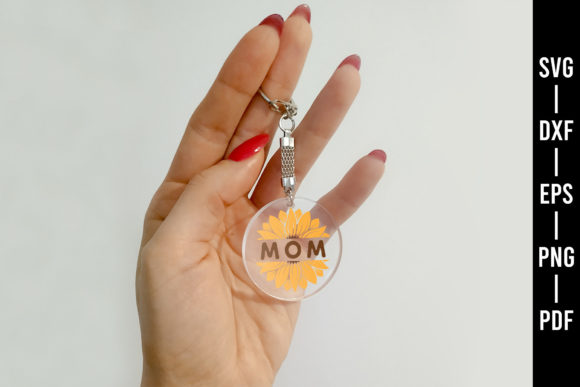
As a designer who spends half my life digitizing files and the other half stitching them out, I have learned to look past the flashy preview images. We all know that what looks crisp on a screen does not always translate cleanly to fabric. When I first pulled up the Mom SVG Keychain SVG Keychain Design, my initial reaction was one of cautious optimism. It is marketed primarily for keychains and vinyl cutting, but my interest lies in how these vector-based graphics perform when converted into a machine embroidery design for tangible, handmade products.
First Impressions and Visual Personality
The design carries a warm, sentimental mood that is essential for the "mom" niche. It is not overly complex, which is often a blessing in embroidery. Complex shapes with tiny, intricate details can become a nightmare when dealing with thread tension and fabric pull. This graphic features clean lines and a balanced layout that suggests it would hold up well under the needle. The visual personality is modern yet classic, avoiding trendy fonts or shapes that might date the product quickly. For an Etsy seller or craft business owner, this longevity is crucial. You want a design asset that sells year-round, not just during a specific holiday window.
Real-World Application: Beyond the Keychain
While the product description highlights its use for keychains, Cricut projects, and vinyl decals, I immediately thought about its potential in textile applications. Let us consider a real-life scenario: a custom order for a boutique baby shower gift. A client wants a personalized tote bag design or a soft baby embroidery piece for a muslin swaddle. The simplicity of this graphic makes it a strong candidate for such projects. Unlike dense photographic prints, this style relies on shape and form, which translates beautifully into satin stitch borders or simple fill stitch areas.
I envision using this on a canvas tote where the durability of the stitch is paramount. Because the design is likely composed of bold shapes rather than microscopic details, it should withstand the wear and tear of daily use. It would also work exceptionally well as an embroidered patch. Patches are trending heavily in the small shop product market, and a clean, readable design like this allows for quick production times without sacrificing quality. If you are creating custom apparel, such as a crewneck sweatshirt, this graphic could serve as a subtle chest emblem or a larger back print, depending on how you scale the embroidery file.
Technical Considerations for Stitching
Here is where the rubber meets the road. Since this is originally an SVG intended for cutting machines like Silhouette or Cricut, it is not natively an embroidery file. This means you will need to digitize it yourself or convert it using reliable software. During this process, pay close attention to stitch density. Vector paths do not account for thread buildup. If you simply auto-digitize the design, you risk creating a stiff, cardboard-like feel on the fabric. I recommend manually adjusting the underlay and ensuring that any small text elements are thickened slightly to prevent thread breaks.
Fabric choice plays a massive role here. If you are stitching this onto a textured fabric like a terry cloth towel or a fuzzy fleece blanket, the fine details might get lost. In those cases, consider using an applique design technique where the shape is cut from contrasting fabric and then stitched down. This adds dimension and solves the visibility issue on dark or textured materials. For smoother fabrics like cotton twill or jersey, a standard satin or fill approach will yield a professional finished product.
Challenges with Small Hoops and Curved Surfaces
If you plan to use this on a cap or a curved surface, be mindful of distortion. Caps require specific stabilization and often benefit from simpler designs to avoid puckering. While this design is relatively simple, ensure that your hoop size is appropriate. Do not try to cram a large version of this graphic into a 4x4 hoop if it compromises the integrity of the stitches. Always test on scrap fabric first. This is non-negotiable. Check how the thread colors interact with your base material. High contrast is usually better for readability, especially if the item is intended as a personalized gift where clarity is key.
Commercial Viability and Brand Consistency
For commercial embroidery professionals, consistency is everything. This design offers a level of professionalism that builds customer trust. It does not look amateurish or clip-art-heavy. When used in a printable mockup for your online store, it presents a clean, high-value aesthetic. Buyers engage more with products that look thoughtful and well-executed. Whether you are selling holiday embroidery items or everyday handmade products, the visual appeal of this graphic supports a higher price point because it looks intentional.
However, you must verify the licensing terms. Just because a file is labeled for crafts does not automatically grant you the right to sell finished physical goods or digital derivatives. Always confirm whether the license covers commercial use for embroidered items. Many designers allow personal use but require an extended license for commercial sales. Protect your craft business by doing this due diligence upfront.
Practical Designer Notes
- Test Before Production: Always stitch out a sample on the actual fabric you intend to use. Thread tension varies between machines and materials.
- Check Contrast: View the design in black and white to ensure the shapes are distinct and readable without color reliance.
- Stabilizer Selection: Use a cut-away stabilizer for stretchy fabrics like t-shirts and a tear-away for stable woven fabrics like tote bags.
- Digitizing Adjustments: If converting from SVG, manually adjust node points to smooth out curves and prevent jagged stitches.
- Scale Appropriately: Ensure the design fits within your standard hoop sizes without losing detail or becoming too dense.
In conclusion, the Mom SVG Keychain SVG Keychain Design is a versatile graphic that holds significant promise for embroidery projects when handled with technical care. It bridges the gap between digital crafting and textile art, offering a clean, emotive aesthetic that resonates with buyers. By respecting the limitations of thread and fabric, and by applying proper digitizing techniques, you can transform this simple SVG into a high-quality embroidery project that enhances your portfolio and delights your customers. It is a solid addition to your library of Graphics and Crafts resources, provided you approach it with a designer’s eye for detail.